
How Long Does It Take to SEO a Website? (Complete 2026 Guide)

Understanding SEO Timelines
SEO feels slow because people compare it to advertising. Run ads today and traffic can arrive within minutes. SEO works differently. Search engines need time to discover your content, understand it, compare it against competitors, and decide whether your page deserves visibility. That process is not random—it follows a trust-building system. Think of SEO like building a reputation in a new city. Nobody trusts a stranger immediately. You earn attention through consistency, proof, and authority over time.
Search engines analyze hundreds of ranking signals before pushing a website upward. These include page speed, backlinks, topical relevance, engagement metrics, structured content, internal linking, mobile experience, and domain authority. Google’s algorithms evaluate websites over time rather than instantly rewarding changes. That means updating title tags today does not automatically create rankings tomorrow.
Many business owners make the mistake of thinking SEO is a switch. It is not. SEO behaves more like planting seeds. You prepare the soil, plant content, water authority through backlinks, and wait for growth. The problem is that people often stop watering before anything grows. According to recent SEO timeline research, most measurable movement begins within 3–6 months, but strong traffic growth often compounds after 9–12 months.
Why SEO Is Not Instant
Search engines do not trust websites immediately because spam exists. If rankings could happen overnight, search results would become polluted with low-quality pages manipulating users. Google’s system protects search quality by delaying trust until enough evidence exists. This delay creates frustration for businesses, but it also protects legitimate brands from manipulation.
Imagine a job interview. A company does not hire someone after a five-minute conversation. They review experience, references, consistency, and performance indicators. SEO follows the same principle. Search engines gather data signals slowly to reduce risk.
SEO also depends on external factors outside your website. Competitor authority matters. Existing backlinks matter. Industry difficulty matters. A brand-new dentist website in a small town may rank faster than a new finance website competing nationally. The difference comes down to market saturation and authority gaps.
How Search Engines Evaluate Websites
Search engines crawl pages, index information, test relevance, and compare behavioral signals. Crawling means discovering your page. Indexing means adding it into Google’s database. Ranking happens only after evaluation.
The timeline generally looks like this:
| SEO Stage | What Happens | Time Required |
|---|---|---|
| Crawling | Google discovers your pages | Days to weeks |
| Indexing | Page enters search database | 1–4 weeks |
| Evaluation | Algorithms test relevance | Weeks to months |
| Ranking Growth | Positions improve gradually | 3–12 months |
Many site owners panic because they see no traffic during the early stage. That silence does not mean failure. It usually means your site is still being evaluated.
Average SEO Timeline in 2026
One of the biggest myths in SEO is the promise of fast rankings. Reality is more layered. Different phases happen at different speeds. Fresh SEO studies published in 2026 consistently show that early traction begins around 3 months, while measurable ROI becomes clearer after 6–12 months.
The First 30 Days
During the first month, SEO is mostly invisible. Technical audits happen. Broken pages get fixed. Site speed improves. Keyword research defines strategy. Metadata gets optimized. Google Search Console becomes configured.
Traffic usually remains unchanged during this period. That creates anxiety for business owners because nothing seems to move. Yet month one determines future performance. Poor foundations lead to weak growth later.
Google may crawl pages within days, but that does not mean rankings appear instantly. Crawlers need time to revisit your website repeatedly. Changes must be processed and evaluated.
Months 2–3
This stage often brings small signs of progress. Impressions increase inside Search Console. Low-competition keywords begin appearing. Some pages move into positions 30–50.
These early signals matter more than traffic. They prove search engines recognize relevance. Think of this stage like seeing sprouts emerge from planted seeds. Growth exists, even if results remain small.
Months 4–6
This is where momentum begins. Long-tail keywords gain traction. Organic clicks rise. Rankings enter page one for less competitive terms. Businesses often receive their first leads directly from SEO.
Research consistently identifies this period as the first meaningful growth window for most websites. Sites targeting local or niche markets often move faster than national brands.
Months 6–12
Authority compounds here. Backlinks mature. Content clusters strengthen topical relevance. Competitive keywords become realistic targets. ROI becomes measurable.
Many websites experience their largest traffic jumps between months 8–12 because earlier work compounds. SEO rarely grows linearly. Growth often appears slow, then accelerates rapidly.
Key Factors That Affect SEO Speed
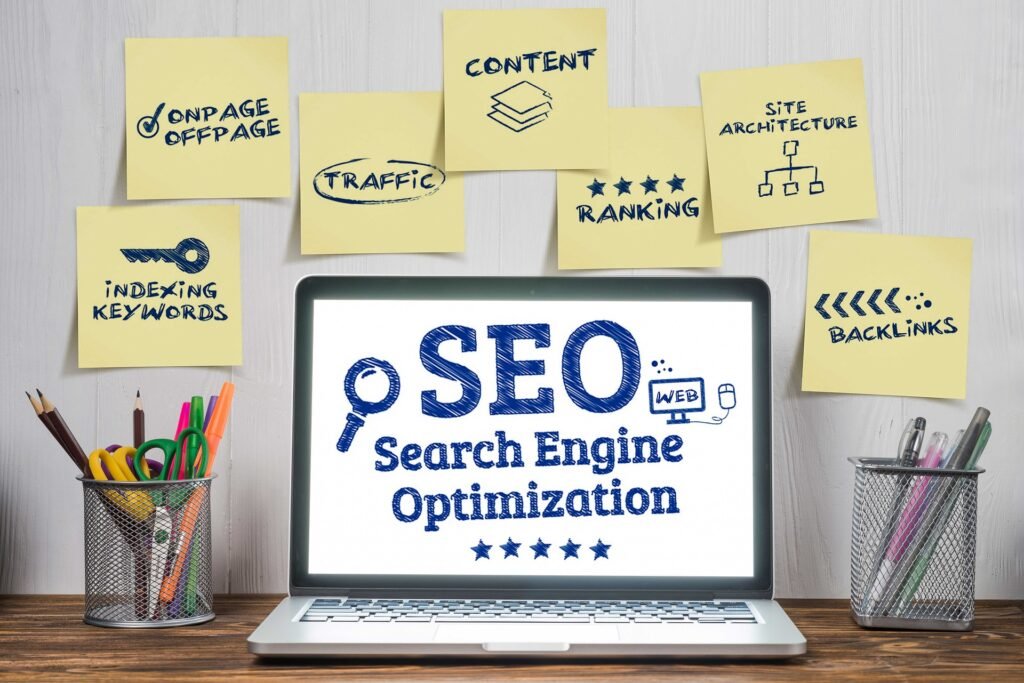
Not all websites move at the same pace. SEO timelines depend on variables that dramatically influence outcomes.
Website Age and Authority
Older websites generally rank faster because they already possess trust signals. A domain active for years often receives faster crawling and indexing than a brand-new website.
New websites face what many marketers call a “trust delay.” Search engines remain cautious until they gather enough confidence in content quality.
Competition Level
Keyword competition changes everything.
Compare these two examples:
| Keyword Type | Difficulty | Timeline |
|---|---|---|
| Local plumber in small city | Low | 3–6 months |
| National legal services | High | 12–24 months |
| E-commerce product keywords | Medium-High | 6–12 months |
| Blog informational keywords | Medium | 4–8 months |
Highly competitive industries demand more authority.
Technical SEO Health
Technical SEO acts like plumbing inside a house. If pipes leak, nothing functions correctly. Slow speed, crawl errors, duplicate content, poor mobile usability, and indexing problems delay results.
Websites with strong technical foundations often rank faster because search engines can process content efficiently.
Content Quality
Thin content struggles. Helpful content wins.
Google increasingly prioritizes depth, clarity, expertise, and usefulness. Short AI-generated pages without real value often fail to rank consistently in 2026.
Expert SEO analysts emphasize that content quality influences not only single pages but also overall site trust. Poor content lowers entire domain performance.
SEO Timeline by Website Type

Different business models experience different SEO speeds.
Local Business Websites
Local SEO usually works faster because competition is smaller. Businesses targeting geographic keywords can gain visibility within 3–6 months.
Examples include:
- Dentists
- Realtors
- Marketing agencies
- Restaurants
- Contractors
Google Business Profile optimization also accelerates visibility.
E-commerce Websites
E-commerce SEO takes longer due to scale. Hundreds or thousands of product pages require optimization.
Challenges include:
- Duplicate product descriptions
- Category architecture
- Product filtering issues
- Thin pages
Most e-commerce stores require 6–12 months for meaningful gains.
Service-Based Businesses
Service websites often rank well through content-driven SEO. Targeting problem-solving keywords creates traffic funnels.
Examples:
- SEO agencies
- Web developers
- Accountants
- Consultants
These sites often see growth within 4–8 months.
Blogs and Affiliate Sites
Blog-focused SEO thrives on volume and topical authority. Consistency becomes critical.
Publishing one article monthly produces slow growth. Publishing optimized content weekly creates momentum.
Why New Websites Take Longer
New websites face a difficult reality. Search engines lack confidence initially.
Google Trust Signals
Trust grows through:
- Backlinks
- Consistent publishing
- Engagement signals
- Brand mentions
- User interaction
Without trust, rankings remain limited.
Crawl and Indexing Delays
Google does not crawl every website equally. Larger trusted websites get crawled more often.
New sites may wait weeks between crawls.
That delay extends ranking timelines.
How to Speed Up SEO Results
SEO cannot be forced, but it can be accelerated.
Technical Fixes
Improve:
- Site speed
- Mobile usability
- Core Web Vitals
- XML sitemap
- Internal linking
Technical improvements remove friction.
Strategic Content Publishing
Publishing random blogs rarely works.
Content should follow topic clusters. Each article supports related pages.
This creates topical authority.
Link Building
Backlinks remain one of the strongest ranking signals.
Quality backlinks accelerate trust.
Avoid spam links.
Focus on:
- Guest posting
- PR mentions
- Industry citations
- Local directories
Common SEO Timeline Mistakes
Expecting Instant Rankings
Businesses often quit too early because they misunderstand timelines.
SEO rewards patience.
Quitting Too Early
The biggest SEO mistake is abandoning strategy before momentum arrives.
Most websites stop at month three.
That is often right before growth begins.
Realistic SEO Expectations

A realistic SEO timeline looks like this:
| Timeline | Expected Results |
|---|---|
| Month 1 | Setup and technical fixes |
| Month 2–3 | Keyword impressions |
| Month 4–6 | Traffic growth |
| Month 6–12 | Leads and conversions |
| Year 1+ | Compounding authority |
SEO is not slow because it fails.
SEO is slow because trust takes time.
Conclusion
SEO takes time because search engines reward authority rather than shortcuts. Most websites begin seeing early traction within 3–6 months, while meaningful traffic and conversions often emerge between 6–12 months. The timeline depends on your industry, website health, authority, competition, and consistency.
Businesses that treat SEO like a long-term investment usually outperform competitors who chase shortcuts. Rankings grow through repetition, trust, and strategic execution. The websites dominating search results today were rarely built overnight. They earned visibility through persistence.
The real question is not whether SEO takes time.
The better question is whether your competitors are building momentum while you wait.